

 By
By 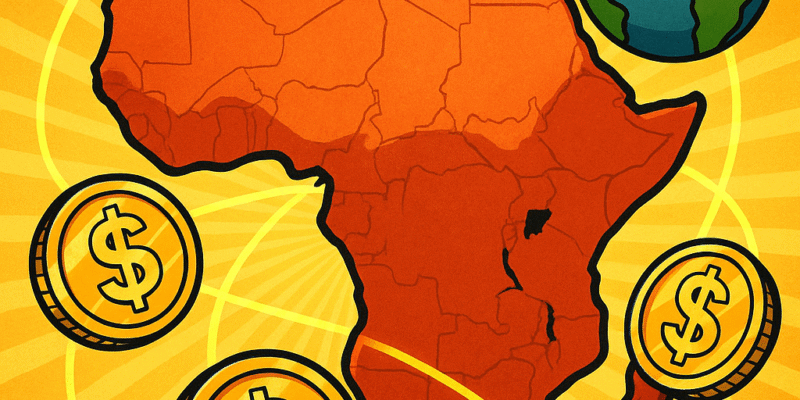
Stablecoin Growth in 2026 is not just a headline or a talking point. Even in the first week of this year, we are already seeing how stablecoins are moving from niche digital assets into tools that real people and institutions rely on. The story is no longer about speculation. It is about tangible changes in finance and payments across the globe.
One of the clearest examples is Circle’s USDC stablecoin, which is outpacing Tether’s USDT in growth for the second year in a row. This spike in adoption is driven by institutions, developers, and payment platforms that want a regulated, transparent dollar-backed token. USDC’s expansion is proof that stablecoins are gaining real trust and wider use beyond just crypto trading.
Regulatory clarity is helping too. In the United States, frameworks like the GENIUS Act are giving issuers, banks, and fintechs more confidence. There is now a stronger focus on reserve backing and consumer protections. This week, discussions around clear stablecoin rules have already encouraged more institutional players to explore digital dollar settlement. Meanwhile, regulators in Europe and other regions are also advancing rules that make it easier to operate globally with confidence.
Institutional adoption is another key driver. Coinbase has announced plans to expand the use of Base and other on-chain tools in 2026. This reflects a broader push to bring institutional balance sheets onto blockchain rails, making stablecoins part of everyday financial infrastructure.
Stablecoin Growth in 2026 is also showing up in payments integration. Payment companies and fintechs are using stablecoins to speed up settlements, cut costs, and enable cross-border transfers. Stablecoin processors are already handling volumes comparable to parts of the U.S. Automated Clearing House network, showing that digital dollars are no longer marginal.
Emerging markets are leading the way as well. African fintechs and blockchain initiatives are expanding stablecoin use for remittances, daily commerce, and SME payments. Partnerships in the Middle East are also exploring regulated stablecoin payments for merchants. These examples make it clear that adoption is real and practical, not just theoretical.
Analysts predict that by the end of 2026, the global stablecoin market could surpass a trillion dollars in circulation. Institutional settlement, yield capabilities, and everyday transactional use are all fueling this growth. Even in this first week, the foundations are visible.
Stablecoin Growth in 2026 is already reshaping how money moves. Digital dollars are becoming part of real economic life, proving that this year is not about experiments. It is about building the infrastructure that will define finance for years to come.
Comments