

 By
By 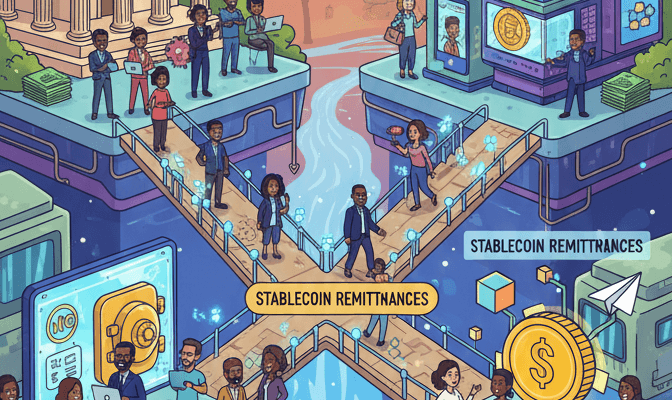
The pervasive narrative suggesting that traditional banks are destined to be replaced by agile fintech startups or disruptive cryptocurrencies misses a fundamental truth: true progress in Africa’s financial landscape does not depend on one sector annihilating another. Instead, Africa’s economic future hinges on Africa fintech integration, fostering a collaborative ecosystem where each player contributes its unique strengths. This vision moves beyond competition, focusing on synergy to unlock unprecedented growth and financial inclusion across the continent.
Traditional banks, often viewed as slow-moving behemoths, bring indispensable assets to the table: trust, regulatory compliance, and robust structural foundations. They possess long-standing customer relationships, extensive branch networks, and deep experience in managing financial risk. These elements are vital for maintaining stability and adhering to the stringent financial regulations necessary for a healthy economy. Their established trust is a bedrock upon which new, innovative financial products can be built with confidence.
Fintech companies, conversely, are the engines of innovation, speed, and enhanced user experience. They excel at leveraging technology to solve specific pain points, streamline processes, and deliver intuitive digital services directly to consumers and businesses. Their agility allows them to adapt rapidly to market needs, introducing mobile-first solutions, efficient payment platforms, and personalized financial tools that often bypass traditional barriers. Fintechs are crucial for reaching underserved populations and accelerating the pace of financial innovation.
Then there is the transformative power of crypto and stablecoins. These digital assets introduce unparalleled capabilities such as borderless payments, transparency, and resilience against local currency volatility. Stablecoins, in particular, offer a neutral, efficient rail for remittances and cross-border trade, dramatically reducing costs and settlement times. They provide a vital alternative for value transfer in regions where traditional banking infrastructure is either expensive or inaccessible. The underlying blockchain technology ensures immutable records and enhanced security, fostering a new level of trust in digital transactions.
Imagine the profound impact of all three working together seamlessly. Banks could offer stablecoin remittances through their established networks, providing trusted on-ramps and off-ramps for digital assets. Fintech applications could utilize blockchain rails for instant, low-cost settlement of transactions, enhancing their speed and efficiency. Crypto platforms could integrate local compliance frameworks, making their innovative services accessible and secure for a broader audience. Stablecoins could power seamless SME trade across economic blocs like ECOWAS, driving regional integration and economic growth.
This is the future Africa deserves: a connected financial ecosystem where every player contributes its distinct strengths. Stablecoins will not replace banks; fintech will not erase crypto. They will strengthen each other, creating a financial powerhouse far greater than the sum of its parts. The ultimate beneficiaries of this Africa fintech integration will be African consumers, businesses, and entire economies, experiencing improved access, lower costs, and greater opportunities. It is time to build bridges, not walls, for a truly inclusive and prosperous African financial future.
Comments